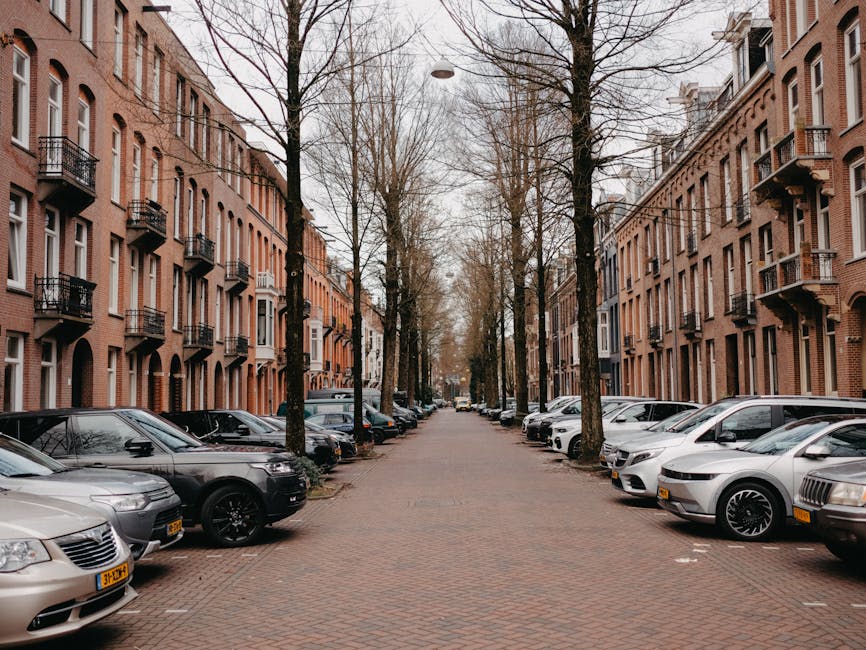
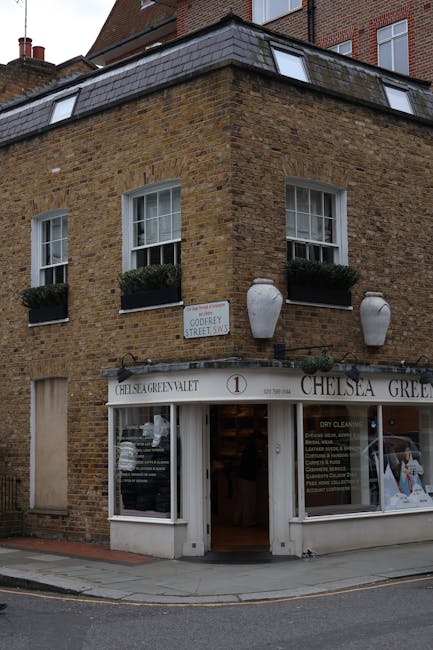
Chelsea house removals narrow streets parking solutions
If you are moving in Chelsea, you already know the trickiest part is often not the boxes, it is the street. Narrow roads, tight corners, resident bays, limited waiting space and busy foot traffic can turn a simple house move into a carefully choreographed job. That is exactly why Chelsea house removals narrow streets parking solutions matter so much: they help the whole day run smoothly, reduce delays, and protect your belongings, your neighbours, and your sanity. Truth be told, in a place like SW3, a good move is usually won before the van even arrives.
This guide breaks down how access planning works, what practical parking solutions look like in real life, which mistakes cause the most stress, and how to make a Chelsea move feel controlled rather than chaotic. If you are comparing services, checking what preparation is needed, or simply trying to understand how removals teams handle awkward London streets, you are in the right place.
Table of Contents
- Why it matters in Chelsea
- How the process works
- Key benefits and practical advantages
- Who this is for
- Step-by-step guidance
- Expert tips for better results
- Common mistakes to avoid
- Tools, resources and recommendations
- Law, compliance and best practice
- Options and comparison
- Case study example
- Practical checklist
- Conclusion
- Frequently asked questions
Why Chelsea house removals narrow streets parking solutions Matters
Chelsea is beautiful, but let's not pretend it is easy. Many streets are narrow, lined with parked cars, and busy with local traffic, deliveries, cyclists, and pedestrians. A removal van cannot simply appear, stop anywhere it likes, and open the back doors without consequences. If parking is poorly planned, the crew may have to carry furniture much further than expected, queue behind traffic, or wait while someone moves a car. None of that is ideal when you are trying to protect wardrobes, sofas, mirrors, and that one oddly awkward lamp everyone seems to own.
Parking and access planning matter for three big reasons. First, they reduce time lost to avoidable delays. Second, they lower the risk of damage during loading and unloading because items spend less time being carried awkwardly through tight spaces. Third, they help the move feel calmer for everyone involved, including neighbours who are not thrilled to find a van blocking their street at 8am.
There is also a trust element here. A removal company that asks sensible questions about road width, building access, stairs, parking restrictions, and the nearest loading point is usually thinking like a professional. That sort of detail may sound boring, but it is exactly what keeps a move under control.
Practical takeaway: in Chelsea, parking is not a side issue. It is part of the moving plan, and often one of the most important parts.
How Chelsea house removals narrow streets parking solutions Works
In simple terms, the process is about matching the removal vehicle, the crew, and the street conditions so the move can happen efficiently and safely. A good plan usually starts before moving day, sometimes several days before, with a review of the property, the road layout, and any likely restrictions.
Here is what typically happens.
1. Access is assessed in advance
The team will want to know whether the property is on a main road, a side street, a mews, or a terrace with little space for stopping. They may ask about road width, overhanging trees, nearby schools, one-way systems, and whether the property is in a controlled parking zone. That kind of detail helps them decide what vehicle size is realistic and where loading should happen.
2. A parking plan is created
Sometimes the solution is to use a single legal loading space directly outside. Sometimes it is to stop in the nearest practical bay and carry items a short distance. In very tight streets, the crew may use a smaller van, shuttle loads between vehicles, or stage items carefully so the main vehicle does not sit on the road longer than necessary. It sounds technical, but really it is about choosing the least disruptive option.
3. Timing is matched to the street
Timing matters more than people think. A mid-morning slot may be better on some streets if school traffic or commuter traffic is heavy early on. In other cases, an earlier arrival helps the crew secure a sensible position before the road fills up. Moving is a bit like cooking pasta in a cramped kitchen: if you start at the wrong moment, everyone bumps into everyone else.
4. Loading is organised for speed
Once the van is in place, the crew should load in a sequence that suits both the property and the road conditions. Bulky items go first if they need two people. Fragile items are protected and loaded with care. Good loading discipline saves minutes, and in tight Chelsea streets, minutes matter.
5. Contingency options are kept ready
Even the best plan can hit a snag. Another vehicle might be in the loading space, or a neighbour might ask to get out, or access might be blocked for ten minutes by a delivery truck. A sensible removal team will have a backup approach, such as a different parking position, a smaller van, or a short carry route from a nearby point.
If you want a broader sense of how services are structured, it can help to review the company's main removal services and the specific support available for house removals. Those pages are useful for understanding how access and transport fit into the full move, not just the van ride.
Key Benefits and Practical Advantages
A well-planned parking solution is not just about avoiding tickets or awkward conversations with neighbours. It creates real operational benefits that affect the whole move.
- Less carrying distance: shorter carries reduce the chance of scuffs, drops, and exhausted staff.
- Faster loading and unloading: direct access, even for a short time, can shave a surprising amount off the day.
- Lower stress: when the van has a known place to stop, the move feels organised instead of improvised.
- Better protection for belongings: furniture spends less time in awkward hallways or on the pavement.
- Cleaner neighbour relations: a tidy, legal, and respectful setup is far easier to live with in dense streets.
- Reduced risk of delays: a backup plan keeps the move moving if the first option fails.
There is another advantage people often overlook: a good parking plan can make it easier to protect floors, doorframes, and shared hallways. If the vehicle is close enough, the crew can work in shorter, more controlled trips rather than trying to carry a wardrobe across half the street while balancing it past a bollard. That sort of thing sounds dramatic because, well, it is.
For some households, this can even influence which moving vehicle is appropriate. A smaller, more manoeuvrable vehicle may be more effective than a large truck if the street simply does not have the width or turning room for bigger access. In other words, bigger is not always better.
Who This Is For and When It Makes Sense
This kind of planning is especially relevant if your move involves any of the following:
- a terraced or mews property on a narrow Chelsea street
- limited parking or a controlled parking zone
- a flat or maisonette with stairs and no lift
- large furniture, fragile pieces, or awkward items
- shared access with neighbours, concierge teams, or building managers
- a move that must be completed within a tight time window
- an urgent or same-day move where every minute counts
It also makes sense for people who are not moving much furniture but still need the logistics to be right. A one-bedroom move can be just as tricky as a larger family move if the road is tight and parking is restricted. In Chelsea, the street can be the real challenge, not the number of boxes.
If you are moving from a flat, it may be worth looking at how flat removals are typically handled, especially where stair carries and parking combine. If you are moving items around the area rather than the whole household, a man with van style service may suit you better, provided the vehicle size and access plan are sensible for the street.
And if the move needs to happen quickly, perhaps after a chain issue or a last-minute tenancy change, a same-day removals option can help, though you will want to confirm parking arrangements early. Same-day and narrow streets do not naturally get along. You have to give them a bit of structure.
Step-by-Step Guidance
Below is a practical way to approach a Chelsea move where parking and access matter. Keep it simple and you will avoid a lot of avoidable noise.
- Check the street conditions early. Look at your road at the same time of day you plan to move. Notice where cars usually park, where large vehicles turn, and whether loading bays are realistic.
- Share the property details. Give your removal company the full picture: floor level, lift access, doorway width, front steps, bay restrictions, and any known obstacles.
- Decide the vehicle strategy. A smaller van may be more suitable for some Chelsea roads. In other cases, a larger van with a smart loading position is more efficient. It depends on the street, not just the load.
- Plan the parking position. Identify the nearest legal stopping point and a backup spot if the first one is taken. If a resident bay or loading area is involved, understand the likely timing and pressure points.
- Prepare the property. Clear hallways, reserve lifts where possible, and keep packed items grouped together. The less time the crew spends navigating clutter, the better.
- Protect the route. Use floor coverings, door protection, and careful lifting on narrow stairs. In old Chelsea properties, the detail matters more than people expect.
- Load in the right order. Heavy, bulky, and fragile items should be arranged so the van can be used efficiently and safely, without constant reshuffling.
- Keep communication open. If parking changes or access becomes awkward, say so early. A 30-second update can save half an hour of mess.
That sequence sounds obvious, but that is the point. Good removals are often simple on paper and disciplined in execution.
Expert Tips for Better Results
After a lot of real-world moves, a few patterns stand out. The following tips are not fancy, but they do make a difference.
Choose a vehicle size that suits the street, not your wish list
People often focus on how much the van can hold. Fair enough. But in Chelsea, manoeuvrability can matter more than raw capacity. If a vehicle cannot stop legally or sensibly near the property, it creates extra carrying work and extra risk. Sometimes two efficient trips are better than one awkward one.
Think in metres, not assumptions
One of the most useful habits is to estimate carry distance from the parking point to the front door. A carry of 10 metres is very different from 40 metres, especially with a sofa or mattress in the rain. On a damp London morning, that difference becomes very real, very quickly.
Protect the street relationship
Neighbour goodwill is underrated. Keep shared entrances clear, avoid blocking access longer than necessary, and make sure the crew is not sprawling across the pavement with no plan. People are much more forgiving when they can see the move is being handled neatly.
Pack for speed, but not carelessness
Label boxes clearly and group rooms together. That way, once the van is parked well, the loading flow stays tidy. You do not want the crew asking where the kettle is while someone is circling for parking. Bit of a nightmare, that.
Use the right support services where needed
If your move includes fragile furniture, artwork, or a piano, specialised handling may be required. You can review options like piano removals or broader furniture removals if the items need more than a standard lift-and-load approach. For moves involving many boxes, packing and boxes support can also take pressure off the day.
Expert summary: the best parking solution is the one that keeps the move legal, short, and predictable. Anything else is just hope dressed up as planning.
Common Mistakes to Avoid
Chelsea moves often go wrong for predictable reasons. The good news is that most of them are avoidable.
- Assuming parking will "just work out". In a tight area, assumptions are expensive.
- Underestimating carry distance. A van parked round the corner is not the same as a van at the door.
- Not checking restrictions in advance. Loading limits, controlled zones, and road rules can catch people out.
- Choosing the wrong vehicle size. Too big can be as awkward as too small.
- Leaving boxes loose and unlabelled. That slows loading and creates confusion at the new property.
- Failing to tell the removals team about obstacles. A narrow alley, a step at the entrance, or a steep slope can make a big difference.
- Ignoring neighbours and shared access. Small courtesies make a surprisingly large difference.
One classic mistake is not mentioning that the road is narrower than it looks on mapping apps. You know the sort of thing: the online photo makes it seem fine, then reality arrives in the form of two parked cars, a delivery van, and not enough space to breathe. Better to be overly specific than vaguely optimistic.
Tools, Resources and Recommendations
You do not need a pile of gadgets to manage a Chelsea move, but a few practical tools and habits help enormously.
- Measuring tape: useful for checking furniture widths, doorframes, and staircase turns.
- Phone photos or video: quick visuals of the road, the front steps, and parking options can help the removals team plan more accurately.
- Room labels: a simple marker pen and clear labels keep unloading orderly.
- Protective covers: mattress covers, furniture blankets, and floor protection reduce wear and tear.
- Calendar reminders: helpful for access windows, lift bookings, or building rules.
- Spare key coordination: one of the most overlooked basics, especially if access is shared or staggered.
When comparing moving options, it can also help to look at the company's broader service mix. For example, a provider offering man and van support, home moves, and packing and unpacking services is often able to build a more flexible plan around access problems. Flexibility matters. A lot.
If you are weighing quality and trust, the company pages on insurance and safety, health and safety policy, and about us are also worth reviewing before you book. They help you understand how the business approaches risk, care, and customer support.
Law, Compliance, Standards, or Best Practice
Parking and removals in Chelsea are shaped by local restrictions, road rules, and basic duties of care. The exact situation depends on the street and the council arrangement, so it is wise to check the current requirements for your address rather than relying on memory or a neighbour's old experience from three summers ago.
As a general rule, best practice includes the following:
- using legal parking or loading positions only
- avoiding obstruction of emergency access, driveways, and footways
- respecting time-limited loading or waiting restrictions
- keeping the crew and the public safe during lifting and carrying
- protecting property during transit and handling
- communicating clearly with building management where access is shared
In the UK, removal work also sits alongside expectations around proper handling, insurance cover, and sensible risk management. That does not mean every move needs a huge compliance checklist. It does mean a professional mover should be able to explain how they deal with access, parking, damage prevention, and claims handling in straightforward language.
If you are unsure about the practical side of trust and service standards, the pages on terms and conditions, payment and security, and complaints procedure can help set expectations before moving day. Not glamorous reading, admittedly, but useful. Very useful.
Options, Methods, or Comparison Table
Not every Chelsea move needs the same parking solution. The right approach depends on the street, the size of the load, and how close the van can get to the property.
| Method | Best for | Pros | Trade-offs |
|---|---|---|---|
| Direct outside parking | Short stops and straightforward access | Fastest loading, shortest carry distance | Not always possible in narrow or busy streets |
| Nearby legal bay with short carry | Controlled parking areas and busy roads | Usually realistic and compliant | Extra carrying effort, slightly slower |
| Smaller vehicle access | Tight roads or awkward turning space | More manoeuvrable, easier to position | May require more trips or tighter loading discipline |
| Shuttle loading between vehicles | Restricted streets and larger moves | Helps solve access limits without forcing one large van in place | More coordination needed |
| Staged loading with brief roadside positioning | Carefully managed moves with time pressure | Efficient when crew and parking are well planned | Requires discipline and clear communication |
The best method is rarely the flashiest one. It is usually the one that causes the fewest interruptions and keeps the move compliant. If a company can explain why it prefers one option over another, that is a good sign.
Case Study or Real-World Example
Here is a typical Chelsea scenario, based on the kind of move many residents deal with.
A couple moving from a top-floor flat near a narrow residential street needed to empty two bedrooms, a dining table, a sofa, and around thirty boxes. The street had limited stopping space and a steady stream of residents coming and going. Parking directly outside was unlikely for long, and the front entrance had a couple of steps plus a tight internal turn.
Instead of treating it like a standard suburban move, the team planned for a shorter vehicle approach and identified the nearest practical legal stopping point. The couple packed fragile items separately, cleared the hallway the evening before, and let the removals team know about the turn on the stair landing. On the day, the crew worked in a steady flow, with the heaviest items loaded first and the smaller boxes stacked to keep the route clear.
The key thing was not speed for its own sake. It was control. The road stayed accessible, the neighbours were not inconvenienced for long, and the move finished with less stress than the couple had feared. That is the real goal in Chelsea: not perfection, just a move that feels calm enough to be manageable.
Small detail, but important: because the parking plan had been thought through properly, the crew did not need to improvise every five minutes. And that, frankly, makes everybody's day better.
Practical Checklist
Use this checklist before moving day. It is simple, but it covers the bits people most often forget.
- Confirm the exact moving date and arrival window
- Tell the removals team about road width, access points, and stairs
- Identify the nearest legal parking or loading option
- Check if the street has restrictions, a controlled zone, or time limits
- Measure large furniture and doorways if space is tight
- Reserve lifts or notify building management if needed
- Label boxes by room and fragility
- Protect floors, edges, and vulnerable surfaces
- Keep a phone charged for live updates on the day
- Prepare a backup plan if the first parking option is taken
- Keep essentials, documents, and valuables separate
- Allow extra time for narrow streets, stairs, or busy traffic
A well-planned move in Chelsea is rarely about brute force. It is about details done early, calmly, and in the right order.
If you want additional support for different moving formats, options like removal truck hire, removal van, or even storage can be useful depending on how much flexibility your schedule needs.
Get a free quote today and see how much you can save.
Conclusion
Chelsea house removals narrow streets parking solutions are really about one thing: making a difficult local environment work in your favour instead of against you. When parking, access, timing, and loading are planned properly, the whole move becomes easier to manage. Fewer surprises. Fewer wasted steps. Less strain on the people carrying your things, and less pressure on you.
The best outcomes usually come from clear communication, realistic vehicle choices, and a willingness to plan for the actual street rather than the ideal version of it. Chelsea is elegant, lively, and often a little awkward for removals. That is just the truth of it. But with the right setup, the move can still feel orderly and reassuring.
And if the day feels slightly too full of moving parts, remember this: a good move is not one that looks effortless. It is one that quietly works.
Frequently Asked Questions
How do Chelsea house removals handle narrow streets?
They usually begin with access planning. That means checking road width, stopping space, one-way restrictions, and how close the vehicle can legally and safely get to the property. In tight Chelsea streets, a smaller vehicle or short carry route is often part of the solution.
What is the best parking solution for a Chelsea move?
The best solution depends on the street and the property. Direct parking outside is ideal if it is legal and practical, but many Chelsea moves work better with a nearby loading bay, a smaller van, or a carefully planned short carry.
Do I need to arrange parking myself?
Sometimes yes, sometimes the removals team can guide you. It is always worth asking early. At the very least, you should know whether the street has resident restrictions, loading limits, or limited stopping options.
What if there is no space outside my house?
That is common in Chelsea. The team may use the nearest legal space and carry items a short distance, or they may use a smaller vehicle that can fit into a tighter position. A backup plan is essential.
How much extra time should I allow for parking issues?
There is no one-size-fits-all answer, but narrow streets and limited access usually add some uncertainty. It is wise to allow more time than you would for a suburban move, especially if the street is busy during the morning.
Can a large removal truck work in Chelsea?
Sometimes, but not always. Larger vehicles can be difficult to position on narrow roads. In some cases, a more compact van is more practical and can actually make the move smoother overall.
What should I tell the removal company before moving day?
Tell them about road width, parking restrictions, stairs, lift access, entrance steps, difficult turns, and any bulky or fragile items. The more accurate the information, the easier it is to plan correctly.
Are same-day removals possible in Chelsea if parking is difficult?
Yes, but they need careful coordination. Same-day removals can work well if the company understands the street conditions and has a realistic parking strategy ready. It is not the sort of move to leave vague.
What happens if another vehicle is parked in the loading space?
A professional team should have a backup plan. They may wait briefly, use an alternative legal space, or shift to a different vehicle setup. It is one reason why advance planning matters so much.
How can I make the move faster on the day?
Pack early, label clearly, clear hallways, reserve access where needed, and give the removals team accurate details in advance. Speed usually comes from preparation, not from rushing.
Is insurance important for Chelsea removals?
Yes. In narrow streets, with stairs and tighter carries, the risk of knocks or accidental damage is something you want properly managed. It is sensible to understand the company's approach to insurance and safety before you book.
What is the biggest mistake people make with Chelsea parking arrangements?
Assuming it will sort itself out on the day. In a place like Chelsea, parking needs to be part of the removal plan from the start. That one decision can save a lot of stress later.